Unlock Your Basketball Potential With Coaching in Kirkwood, MO
If you live in Kirkwood, you already know how much this community values family, schools, parks, and activities that keep kids active. But when your young athlete wants to get better at basketball, it can be tough to know what actually makes a difference. Playing pickup games is fun. School practices are important. Watching basketball can help, too. But focused coaching can turn all of that effort into real, measurable progress.
Basketball coaching in Kirkwood, MO gives you a way to help your athlete build stronger fundamentals, better confidence, smarter decision-making, and a deeper understanding of the game. At Casey Teson Basketball Academy, the goal isn't simply to have athletes take more shots. It's to help them understand why they're doing what they're doing and give them skills they can continue developing over time.
For families in Kirkwood and throughout the St. Louis area, that kind of development can be especially valuable. Kirkwood is a community with a strong suburban identity, established neighborhoods, active parks, and a long history of supporting community activities. The city dates back to 1853 and was incorporated in 1865, and today it maintains more than 300 acres of parkland throughout the community.
That active environment creates plenty of opportunities to get outside, stay moving, and enjoy sports. The next step is making sure your athlete is using those opportunities in a way that actually helps them improve.
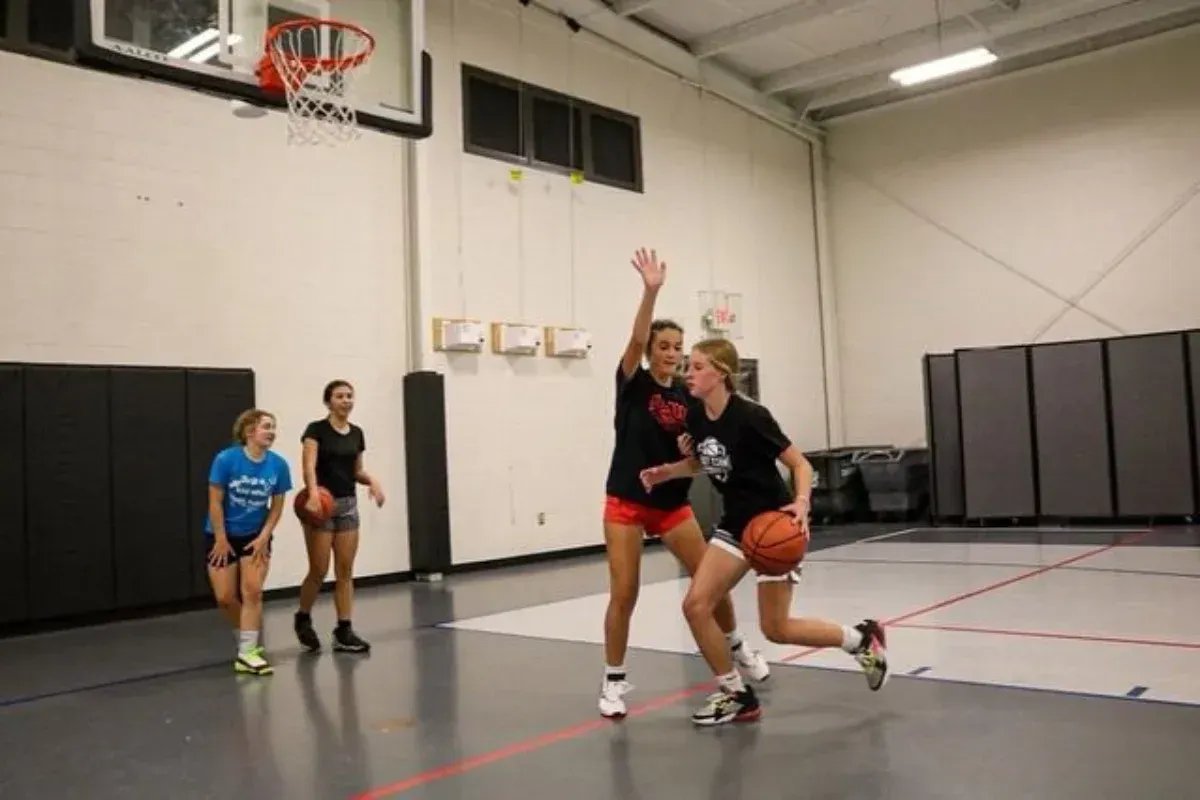
Why Basketball Coaching in Kirkwood, MO Can Make a Difference
Think about what happens when your child practices basketball without much direction.
They might shoot 100 shots, but repeat the same mechanical mistake. They might dribble for an hour, but never work on changing pace or protecting the ball. They might play several games, but never really understand why certain decisions worked while others didn't.
More activity doesn't always mean better development.
Quality coaching gives practice a purpose.
Instead of simply telling an athlete to "work harder," a coach can identify specific areas that need attention and create drills that address those weaknesses. That could mean improving footwork, tightening ball-handling technique, becoming more consistent with shooting mechanics, or learning how to read a defender.
For you as a parent, that's important because you want your child's time on the court to count.
Fundamentals Come Before Flashy Moves
Basketball can look complicated when you watch high-level players. Behind the impressive crossovers, step-back jumpers, passes, and finishes, though, you'll find basic skills performed extremely well.
Those fundamentals include:
Proper shooting mechanics
Balance and footwork
Ball-handling control
Passing technique
Defensive positioning
Rebounding fundamentals
Change of direction
Change of speed
Body control
Court awareness
Decision-making
A young player who develops these areas properly has a much stronger foundation for future growth.
And that's one reason private or focused basketball coaching can be so useful. Instead of trying to improve everything at once, your athlete can work on the skills that matter most for their current stage of development.
What Your Athlete Can Learn Through Basketball Coaching
Every athlete is different. A beginner may need to learn how to control the ball with both hands, while an experienced player may need help creating space against pressure defense.
Good coaching meets the player where they are.
Shooting Development
Shooting isn't just about putting the ball through the hoop. Consistency starts with repeatable mechanics.
Your athlete can work on areas such as:
Hand placement
Shooting balance
Lower-body positioning
Follow-through
Footwork
Catch-and-shoot situations
Shooting off movement
Creating a consistent routine
Finishing through contact
Shooting under pressure
The goal is to help the player develop a motion they can trust.
When shooting mechanics become more natural, the athlete can spend less mental energy thinking about the mechanics and more energy reading the game.
Ball Handling
Ball handling becomes especially important as players get older and face faster, stronger defenders.
Effective training can help your athlete improve their ability to:
Control the ball with either hand
Change direction
Change pace
Keep their head up
Protect the basketball
Attack open space
Handle defensive pressure
Create separation
Transition from dribbling into passing or shooting
The best ball-handling drills aren't just about doing a flashy move repeatedly. They should connect to situations that actually happen during a game.
Defense
Offense tends to get most of the attention, but strong defensive fundamentals can completely change an athlete's value on the court.
Your player can learn how to stay balanced, move laterally, maintain proper spacing, contest shots without unnecessary fouls, and understand where they should be in relation to the ball and their assignment.
Defense also teaches something bigger: effort and discipline.
A player who learns to take pride in defense can contribute even on nights when their shot isn't falling.
Passing and Court Vision
Basketball isn't a one-player sport.
An athlete who understands when to pass, where to pass, and how to create opportunities for teammates becomes much more effective. Coaching can help players recognize passing lanes, anticipate defensive rotations, make quicker reads, and avoid forcing plays that aren't there.
These skills become increasingly important as the level of competition rises.
Basketball Training for Different Ages and Skill Levels
One of the biggest mistakes parents can make is assuming every young basketball player should train the same way.
They shouldn't.
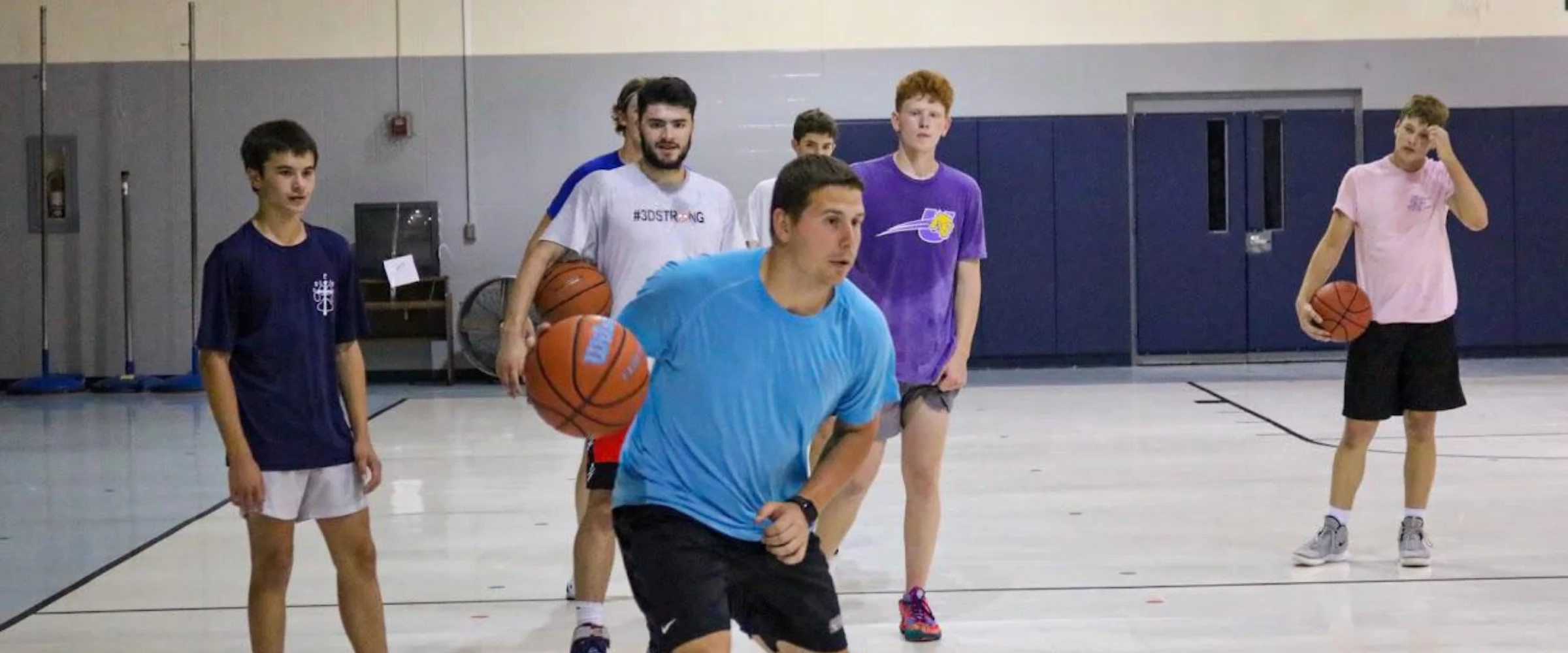
A beginner needs a different approach from an experienced varsity athlete. A younger player should be developing coordination, confidence, and basic movement patterns. An older player may need more advanced work involving game situations, decision-making, and position-specific skills.
Beginners
If your child is just getting started, coaching can help them build good habits before poor habits become difficult to change.
That means learning how to dribble, pass, shoot, move, defend, and understand basic rules in a positive environment.
Most importantly, beginners should have the chance to enjoy the game.
Developing Players
Once the basics are established, training can become more detailed.
This is where athletes can start working on weaknesses, increasing consistency, improving speed and control, and understanding how individual skills fit into actual game situations.
Advanced Players
Older and more experienced athletes often need a different type of challenge.
At this stage, training can focus more heavily on efficiency, decision-making, creating advantages, playing under pressure, and sharpening the details that separate good players from more complete players.
The objective isn't simply to make an athlete work harder.
It's to make their work more productive.
Why Local Basketball Training Matters in Kirkwood
Kirkwood isn't just a name on a map. It's a community with its own rhythm, neighborhoods, schools, parks, and family routines.
The city is approximately nine square miles and sits in southwest St. Louis County. Its park system includes more than 300 acres, with Kirkwood Park offering amenities that include athletic fields, tennis courts, playgrounds, an aquatic center, and other recreational facilities.
The city also has a long history of organized community life. Kirkwood's first railroad depot was established in 1853, and the historic train station that remains today was built in 1893.
Why does that matter for basketball?
Because your athlete isn't developing in isolation.
They are growing up in a community where recreation, schools, families, and local activities are part of everyday life. Basketball training can become another positive part of that routine.
Kirkwood also experiences the typical seasonal changes of the St. Louis region. Hot, humid summer days can make outdoor training challenging, while winter weather can limit outdoor activity. Having a structured training option means your athlete doesn't have to rely entirely on outdoor conditions to keep developing.
How to Make Basketball Practice More Effective at Home
You don't need a full basketball court in your backyard to support your athlete's development.
If you have a safe area and a basketball, you can encourage simple, consistent practice.
Try building short sessions around one or two goals rather than asking your child to "go practice basketball."
For example:
Spend several minutes working on stationary ball handling.
Practice controlled movement with both hands.
Work on shooting form from a comfortable distance.
Add footwork drills.
Finish with a fun challenge or game.
Short, focused practice can be easier to maintain than an exhausting session that your athlete doesn't enjoy.
And if your home setup isn't suitable for basketball practice, that's okay. You don't need to turn your property into a sports facility. Professional coaching can provide the structured environment, instruction, and repetition that are difficult to recreate at home.
How Parents Can Support Basketball Development
Your role matters, but you don't have to become your child's coach.
In fact, keeping those roles separate can sometimes make the experience more enjoyable for everyone.
You can support your athlete by:
Encouraging consistent practice
Asking what they learned during training
Celebrating effort and improvement
Helping them stay patient
Making sure they get enough rest
Encouraging good sportsmanship
Avoiding pressure to be perfect
Letting the coach handle technical corrections
Helping them enjoy competition
Try asking, "What part of today's training felt better than last time?"
That's often more productive than asking, "How many points did you score?"
Basketball development is a long process. You want your athlete to understand that improvement doesn't always show up immediately on a scoreboard.
What to Look for in a Basketball Coach
Choosing coaching for your child is about more than finding someone who knows basketball.
You want someone who can teach.
Look for a coaching approach that emphasizes:
Strong fundamentals
Clear instruction
Age-appropriate training
Individual attention
Positive communication
Consistent feedback
Game-related skills
Proper technique
Confidence and accountability
Long-term player development
You also want your athlete to feel comfortable asking questions.
A good training environment should challenge a player without making them afraid to make mistakes. Mistakes are part of learning basketball. The important thing is learning from them and trying again.
Basketball Coaching in Kirkwood, MO for Long-Term Development
One training session isn't going to transform a player overnight.
That's not how basketball development works.
The real benefits come from consistent work over time.
An athlete may first improve their shooting mechanics. Then they become more comfortable with the ball. Eventually, those skills become automatic enough that they can focus on reading defenders and making decisions.
That progression is important.
You are not just looking for a quick improvement before the next game. You're helping your athlete develop skills they can carry into the next season and the next level of competition.
Common Signs Your Athlete Could Benefit From Coaching
You may want to consider structured basketball training if your child:
Enjoys basketball but feels stuck
Struggles with basic fundamentals
Has difficulty using their non-dominant hand
Wants to become a better shooter
Gets nervous during games
Has trouble handling defensive pressure
Doesn't know what to practice independently
Wants to make a school or competitive team
Needs more confidence
Is ready for a greater challenge
Wants to understand the game better
You don't have to wait until your athlete is struggling badly.
Coaching can also be valuable for players who are already doing well and simply want to keep progressing.
The Best Basketball Equipment Manufacturers
While coaching drives player development, quality basketball equipment can support consistent practice. Here are respected manufacturers commonly associated with basketballs, hoops, training gear, and athletic equipment.
Wilson — Produces basketballs and athletic equipment widely used for practice, recreation, and competitive play.
Spalding — A long-established basketball brand known for basketballs, hoops, and related training equipment.
Equipment matters, but remember that expensive gear cannot replace good instruction and consistent practice. The right ball and a suitable practice space can help, but the athlete still needs to learn how to use them effectively.
Why Experience Matters When Choosing Your Basketball Training
Casey Teson Basketball Academy has been helping athletes develop their basketball skills through focused instruction and professional training. Years of experience matter because effective coaching requires more than knowing the rules—it requires understanding how to teach skills, correct mistakes, build confidence, and help athletes progress.
As with anything in life, you want to work with the best when you're looking for the best results. The right training approach can help your athlete make better use of practice time, avoid reinforcing poor habits, and get more value from every hour spent on the court.
If you're ready to have your basketball training tackled by our team of industry experts, contact Casey Teson Basketball Academy at (314) 873-5901 so we can get started.
Frequently Asked Questions About Basketball Coaching in Kirkwood, MO
What ages and skill levels can benefit from basketball coaching?
Basketball coaching can help young players at many skill levels, from kids at the beginning of their basketball journey to experienced basketball players preparing for higher levels of competition. Training can be adjusted for boys, girls, recreational athletes, and players who want to compete on a school team, travel team, or league.
The focus is on skill development and strong basketball fundamentals. Players can develop ball handling, shooting, passing, footwork, defense, court awareness, and decision-making skills through coaching sessions and basketball drills that match their needs.
Youth development is especially important because players need a strong foundation before moving into more advanced game strategies. Professional guidance can help athletes understand the game while keeping training productive and fun.
What does a typical basketball coaching session include?
Coaching sessions are designed to give athletes focused training instead of simply asking them to play for a set amount of time. A session may begin with warm-ups and movement work before moving into basketball drills that target specific skills.
Depending on the player's needs, training may include shooting, ball handling, passing, defense, footwork, finishing, and game strategies. Coaches can also use game-like situations to help players understand how to apply their skills during competition.
The goal is not just to complete more drills. It is to help players understand why a skill matters, how to use it during a game, and what they can do to improve their performance. This approach gives athletes a clear foundation for future training and practices.
How can basketball coaching help my child improve?
Good basketball coaching gives players structure, guidance, and regular feedback. Instead of practicing random shots or repeating the same drills, athletes can work on specific weaknesses and build skills in a logical order.
A coach can use constructive feedback and positive reinforcement to help players understand what they are doing well and what they should change. This can improve confidence while teaching athletes that improvement takes patience, hard work, and dedication.
Skill development also involves more than physical ability. Players can develop communication, teamwork, leadership skills, mental resilience, and a stronger mindset when they learn how to handle mistakes, challenges, and competition.
Does coaching help players who already have basketball experience?
Yes. Basketball coaching is not only for beginners. Experienced basketball players can benefit from focused training that helps them improve details that may be difficult to address during regular team practices.
Advanced athletes may work on shooting under pressure, creating space, reading defense, making quicker decisions, improving game strategies, and becoming more efficient on the court. A coach can also help identify weaknesses that a player may not notice on their own.
The best coaches understand that every athlete has different goals. A successful basketball coach does not use exactly the same training for every player. Instead, coaches adjust their teaching, drills, and guidance to the player's skill level, experience, and needs.
How can I tell if a basketball coach is right for my child?
Look for coaches who care about teaching, player development, and the overall experience of young athletes. A coach should have a clear coaching philosophy and an approach that fits the needs of the players they serve.
It can also help to ask about the coach's experience, training methods, communication style, and own coaching philosophy. A professional coach should be able to explain how they help athletes develop skills, confidence, teamwork, leadership, and a positive mindset.
Parents should also look for a coach who understands the importance of age-appropriate training, safety, and proper technique. Good coaching should help athletes learn the rules and strategy of basketball while also reducing the risk of injuries caused by poor movement or rushed training.
Does Casey Teson Basketball Academy follow USA Basketball standards or resources?
USA Basketball is the national governing body for basketball in the United States and provides resources, education, and guidance for coaches and athletes. Its coaching resources can be useful for anyone interested in learning more about player development, teaching methods, and the sport.
Casey Teson Basketball Academy can provide professional basketball coaching that focuses on fundamentals, skill development, game understanding, and youth development. Parents can also use trusted basketball resources, coaching courses, and educational materials to learn more about effective training.
If you are comparing coaches, it is reasonable to ask about their experience, education, coaching philosophy, and approach to working with young players. You can also ask whether they are an active member of basketball organizations or continue learning from other coaches and professional resources.
How can parents support their child's basketball training?
Parents can have a major role in creating a positive experience without needing to become their child's coach. Encouragement, communication, and consistency can make a big difference.
Try asking your child what they learned during training instead of focusing only on points, shots, or whether their team won the game. Praise hard work, effort, teamwork, and improvement. Positive reinforcement can help athletes build confidence and mental resilience when they face challenges.
Parents can also help by making sure young athletes have time to rest, stay involved in practices, and enjoy the sport. Good communication between parents, athletes, and coaches can make it easier to address concerns and support long-term development.
The goal is to give kids encouragement while allowing coaches to handle technical teaching and constructive feedback.
Why is basketball training useful outside of team practices?
Team practices are important, but individual basketball training gives athletes more time to focus on their own skills. During a team practice, a coach has to divide attention among many players. Individual coaching can provide more direct instruction and guidance.
Extra training can help athletes repeat basketball fundamentals, improve specific weaknesses, and gain confidence before using those skills in a game. Players can also work on areas such as ball handling, shooting, defense, footwork, and decision-making at a pace that fits their development.
This type of training can be useful whether an athlete hopes to play in a local league, make a school team, compete at a higher level, or eventually pursue opportunities connected to college basketball or the NBA. Consistent practice, proper teaching, and a willingness to learn are more important than simply doing more drills.
How do I get started with basketball coaching in Kirkwood, MO?
Getting started is simple. Contact Casey Teson Basketball Academy at (314) 873-5901 and discuss your athlete's experience, goals, current skills, and areas they want to develop.
The conversation can help determine what type of training may be a good fit. Whether your child is just beginning, wants to improve before the next season, or is already a competitive basketball player, coaching can provide a structured path for improvement.
A good training plan combines basketball fundamentals, skill development, game strategies, coaching guidance, and consistent practices. It should also help athletes enjoy basketball while developing the knowledge, confidence, communication, leadership, and teamwork they can use both on and off the court.
If your athlete is ready to work on their game, reach out to Casey Teson Basketball Academy and take the next step toward better basketball skills and long-term development.
Did you know?
Coaches learn to develop their philosophy based on core values.
Coaching philosophy includes defining values, goals, and methods.
Use warm-ups to prepare players mentally and physically.
Explore skill-building resources for implementing drills by age group.
Teaching teamwork includes defensive concepts and offensive techniques.
Utilize local facilities for basketball clinics and practice space.
Focus on effort over wins by praising hustle plays and teamwork.
Support multi-sport athletes to prevent burnout.
Visualization helps build mental resilience in players.
Celebrating small victories increases player motivation and confidence.
The USA Basketball Gold License includes background screenings and training.
Provide constructive feedback after each game for improvement.
Give Your Athlete a Better Path to Improvement
Your child doesn't need to become the best player on the court overnight.
They need the right foundation, good instruction, consistent practice, and a reason to keep coming back to the game.
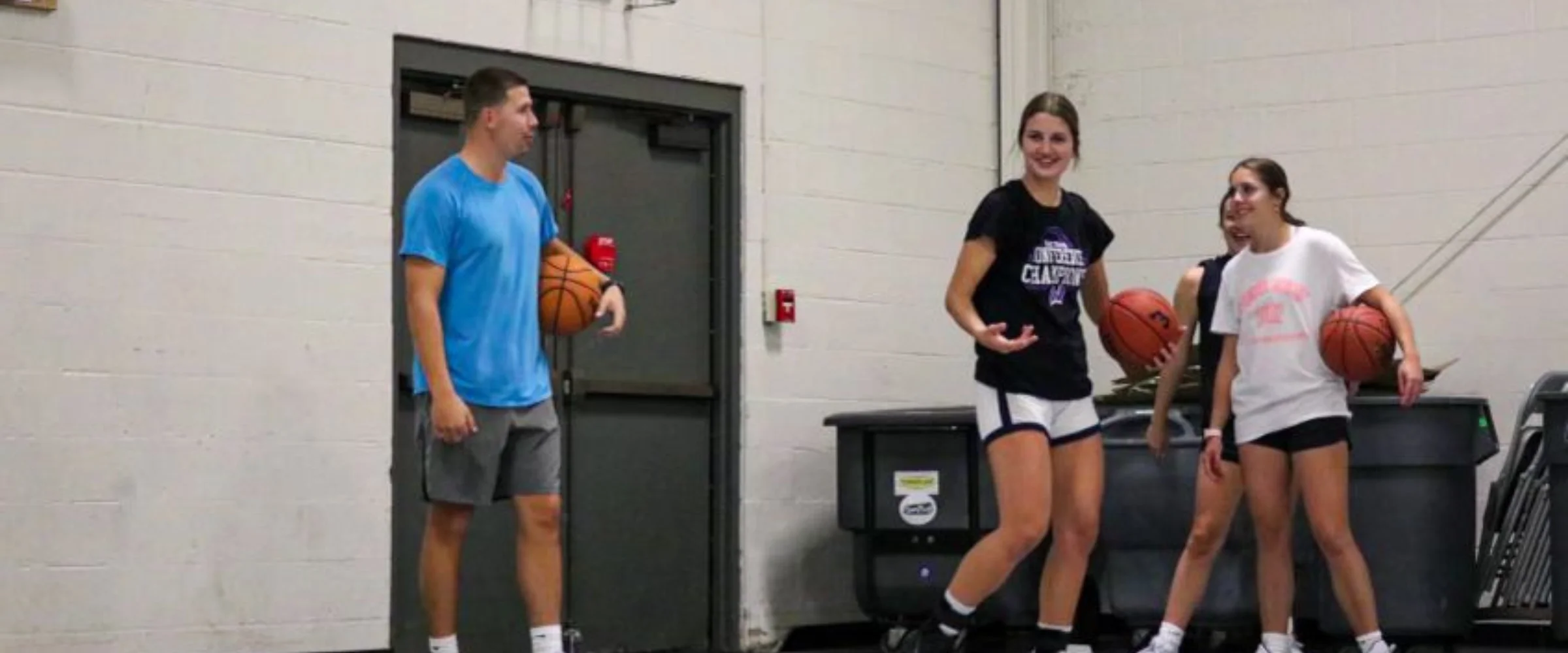
That's what makes professional basketball coaching so valuable. It gives your athlete a structured way to work on weaknesses, strengthen fundamentals, build confidence, and understand the game at a deeper level.
For families looking for basketball coaching in Kirkwood, MO, Casey Teson Basketball Academy offers a focused approach built around player development and meaningful improvement.
If your athlete is ready to put in the work and you want that work guided by experienced professionals, contact us at (314) 873-5901 today. A simple conversation can be the first step toward helping your player unlock more of their basketball potential.